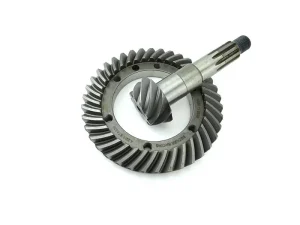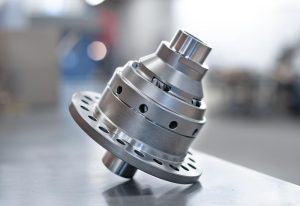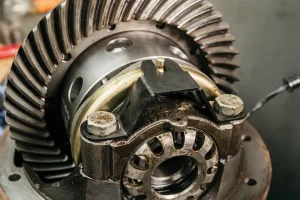
The crown wheel and pinion are the unsung heroes of your vehicle’s drivetrain. Sitting at the heart of the differential, these gears ensure smooth power delivery from the driveshaft to the rear wheels. When they begin to wear out or fail, the impact on performance is immediate and potentially dangerous. Knowing the warning signs can save you from extensive repair costs and keep your vehicle safe and efficient on the road. Here are the top signs your crown wheel and pinion might be due for a replacement.
1. Unusual Noises from the Rear Axle
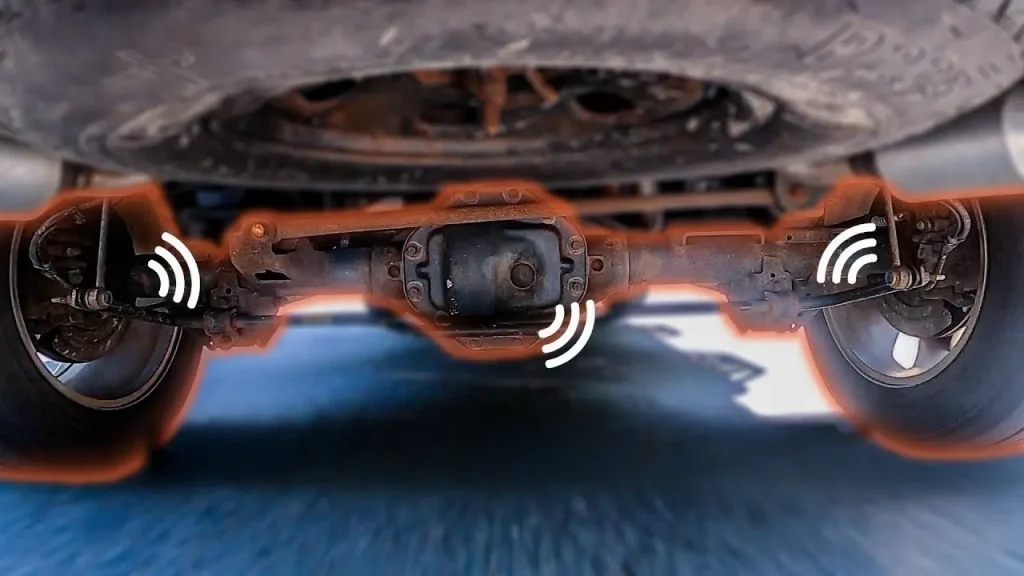
One of the earliest and most common signs of trouble is strange noises coming from the rear axle. If you start hearing whining, humming, or grinding sounds while driving, especially during acceleration or deceleration, the crown wheel and pinion could be to blame.
A high-pitched whine usually indicates excessive wear or misalignment between the gears. A grinding noise might suggest chipped or damaged teeth. These sounds occur because the gears are no longer meshing smoothly, leading to friction and mechanical stress. Don’t ignore these noises—they rarely go away on their own and often get worse with time.
2. Vibration While Driving
Vibration from the rear of the vehicle, particularly at higher speeds or under load, can point to a problem in the differential assembly. When the crown wheel and pinion develop wear or lose proper alignment, the result is gear backlash and uneven rotation.
This vibration can feel like a rhythmic shudder or a pulsing sensation through the floor or seats. If the vibration worsens when accelerating or towing, it’s likely that the gears are not engaging as they should. The issue can also extend to the driveshaft or wheel bearings if not addressed early.
3. Poor Acceleration or Sluggish Performance
Your vehicle’s power delivery is only as strong as its weakest link. When the crown wheel and pinion start to fail, they disrupt the efficient transfer of power from the engine to the wheels. This can result in sluggish acceleration, especially when going uphill or carrying heavy loads.
In severe cases, you may notice delays when pressing the accelerator or a general sense that your vehicle is straining. These symptoms reflect internal resistance and inefficiency in the gear system. The longer the issue persists, the more strain it places on other components in the drivetrain.
4. Visible Gear Wear or Chipped Teeth (During Inspection)
If you’re mechanically inclined or your vehicle is in for service, inspecting the crown wheel and pinion directly can reveal a lot. Visible damage such as pitting, scoring, or chipped teeth is a clear indication that the gears are compromised.
Additionally, finding metal shavings in the differential oil is a red flag. These particles usually come from worn gear surfaces and can circulate through the system, causing further abrasion and damage. When visual inspection confirms gear deterioration, replacement is the most reliable fix.
5. Fluid Leaks or Contaminated Gear Oil
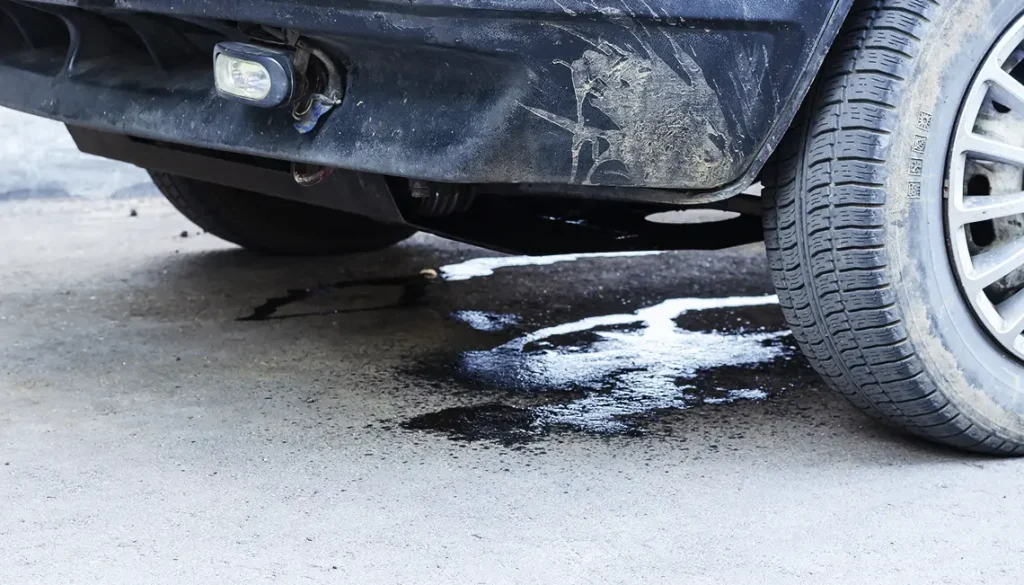
Leaking gear oil around the differential housing or axle seals is another warning sign. The oil in your differential lubricates the crown wheel and pinion, and without it, friction increases dramatically, accelerating wear.
If you notice dark, burnt-smelling fluid or metal particles in the oil, that’s a sign the gears are generating too much heat and suffering from excessive wear. Regular oil checks can catch this problem before it leads to total gear failure.
6. Clicking or Clunking Sounds When Turning
When you hear clicking or clunking noises during turns, the issue might not be your CV joints—it could be the crown wheel and pinion. These gears must remain tightly meshed to handle the torque differentials between the wheels during turns.
As they wear, excessive play develops, causing inconsistent contact and resulting in audible noises. The problem becomes more pronounced when turning corners at slow speeds or when transitioning from drive to reverse.
7. Differential Overheating
Overheating in the differential is often overlooked until it causes major damage. Excessive heat can warp the crown wheel and pinion or compromise their hardened surfaces. If you feel the differential housing is too hot to touch after a drive, it could be due to failing gears.
Heat buildup occurs when the gear teeth aren’t meshing correctly or if lubrication is insufficient. It can also indicate internal friction from misalignment or degraded bearings. Ignoring the heat can lead to complete differential failure and costly repairs.
8. Vehicle Feels "Loose" or Unstable at Higher Speeds
As gear wear progresses, the driveline may start to feel less solid. Drivers often describe this as a “loose” or disconnected feeling while cruising, especially on highways. That sensation stems from uneven gear contact and inconsistent torque delivery.
This can also affect steering stability and cornering, making the vehicle feel unpredictable. If your car feels unstable despite good tires and suspension, it might be time to check the differential internals.
9. Increased Gear Whine Under Load
You might notice that gear whine gets louder when towing or carrying passengers. That’s because additional weight places more stress on the drivetrain, and any existing gear damage becomes more evident.
The crown wheel and pinion are under the greatest load when climbing hills, accelerating from a stop, or hauling. If the noise increases with the load, it usually points to gear wear that can’t handle the torque efficiently.
10. Frequent Need to Top Off Differential Fluid
If you’re regularly topping off the gear oil, there’s likely a deeper issue. The seals in your differential system are meant to keep fluid in and contaminants out. When they fail, not only does the oil escape, but water and debris can enter.
This contamination accelerates wear in the crown wheel and pinion. Consistent fluid loss without visible leaks could also indicate internal pressure buildup or a crack in the housing. Either way, it signals the need for a full inspection and likely gear replacement.
Conclusion
The crown wheel and pinion are critical components of your vehicle’s rear differential. When they begin to fail, the warning signs can be subtle at first but escalate quickly. Ignoring them can lead to major mechanical breakdowns and expensive repairs.
From strange noises and vibrations to sluggish performance and overheating, paying attention to these symptoms can help you catch problems early. Regular maintenance, fluid checks, and timely inspections are your best defense.
If your vehicle is showing any of the signs mentioned above, it’s time to have a qualified mechanic inspect the differential system. Replacing a worn crown wheel and pinion isn’t just about fixing a noise or smoothing out a ride—it’s about protecting the performance and reliability of your entire drivetrain.