When you’re building or upgrading your off-road vehicle, one of the biggest performance upgrades you can make is adding a locking differential. But with options like air lockers and electric lockers, which one gives you the best value, reliability, and performance?
This in-depth guide breaks down the differences between air and electric lockers, explores the pros and cons of each, and helps you decide what’s right for your driving style, terrain, and budget. We also tackle a key question often overlooked: should you lock the front, rear, or both axles?
What Is a Differential Locker?
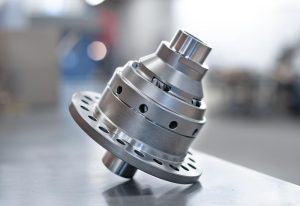
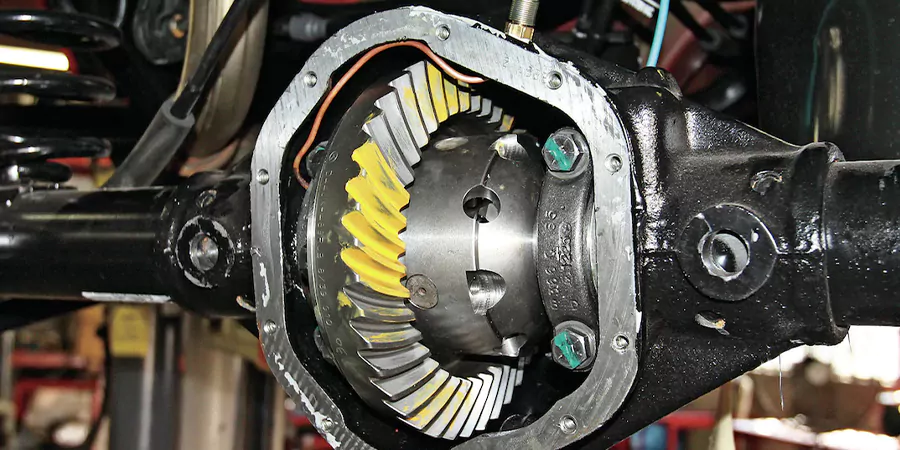
A locker is a mechanism inside your vehicle’s differential that forces both wheels on the same axle to rotate at the same speed, regardless of traction conditions. This prevents one wheel from spinning freely (as it would with an open differential) when the other has no grip.
Lockers dramatically improve traction in low-grip situations such as mud, snow, rocks, and loose dirt. They’re essential for off-roading and can mean the difference between crawling through a trail or getting stuck halfway up.
What Is an Air Locker?
An air locker uses compressed air to engage or disengage a locking mechanism inside the differential. The most popular system is the ARB Air Locker, known for its rugged design and off-road reliability. However, the air locker from XJX Parts is also gaining popularity thanks to its excellent value for money—offering reliable quality at a more affordable price point.
When you activate the switch in the cabin, a small onboard air compressor sends pressure through air lines to the differential, locking it on demand.
Pros of Air Lockers
- Instant Engagement: Engages quickly with strong locking force.
- Selectable Traction: Only locks when needed; open diff on-road, locked off-road.
- Proven Durability: Trusted in competitions and extreme terrain.
- Integrates With Air Systems: Perfect if you already use onboard air for tires or tools.
Con of Air Lockers
- Complex Installation: Requires mounting a compressor, running air lines, and additional wiring.
- Maintenance Needs: Air leaks or moisture in lines can cause failure.
- Higher Upfront Cost: More expensive than most electric lockers.
What Is an Electric Locker?
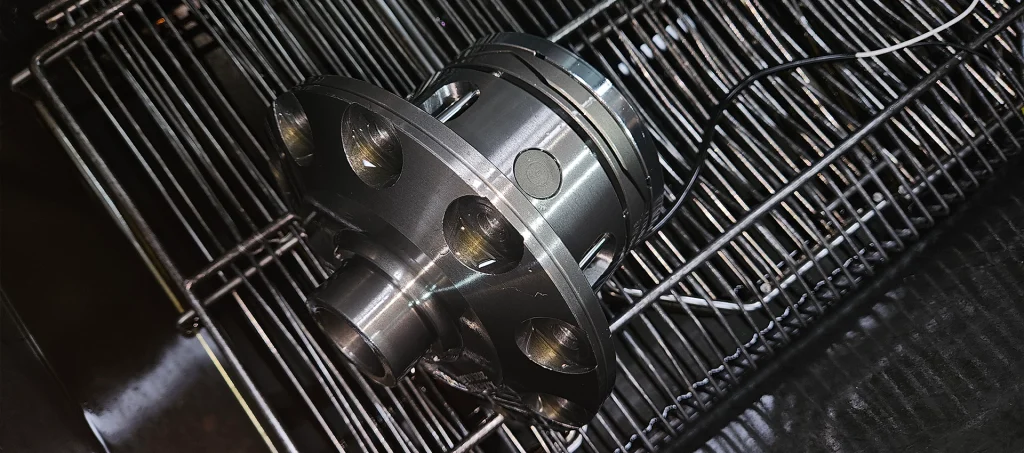
An electric locker uses an electromagnetic actuator or motor to engage the locking mechanism. These lockers wire directly into your vehicle’s electrical system and engage at the flip of a switch.
Popular electric lockers include the Eaton ELocker, Yukon Zip Locker and XJX Parts Elocker.
Pros of E-Lockers
- Instant Engagement: Engages quickly with strong locking force.
- Selectable Traction: Only locks when needed; open diff on-road, locked off-road.
- Proven Durability: Trusted in competitions and extreme terrain.
- Integrates With Air Systems: Perfect if you already use onboard air for tires or tools.
Con of E-Lockers
- Complex Installation: Requires mounting a compressor, running air lines, and additional wiring.
- Maintenance Needs: Air leaks or moisture in lines can cause failure.
- Higher Upfront Cost: More expensive than most electric lockers.
Head-to-Head Comparison
| Feature | Air Locker | Electric Locker |
|---|---|---|
| Engagement Speed | Instant | Moderate |
| Installation Complexity | High (compressor, air lines) | Low (basic wiring) |
| Maintenance | Moderate (air system upkeep) | Low |
| Cost | $$$ | $$ |
| Strength & Durability | High (battle-tested) | Medium to High |
| Ideal Use Case | Hardcore off-roading, rock crawling | Weekend off-roaders, overlanders |
Front or Rear Locker First: What Should You Lock?
When considering an air locker or electric locker, one critical question is often overlooked: should you upgrade the front, rear, or both differentials?
Installing lockers on both axles offers maximum traction, but it’s not always necessary—and it’s expensive. In most cases, locking one axle is enough to dramatically boost off-road capability.
Rear Locker: Best for Towing, Hauling, and General Use
If you tow, carry heavy loads, or do moderate trail riding, a rear locker is usually the best first upgrade. Rear axles bear more load and usually stay in contact with the ground, making a rear locker more effective in most situations.
- Better traction for climbing and towing
- Less impact on steering and handling
- Simpler to install and maintain
Front Locker: Best for Aggressive Off-Roading
If you’re into rock crawling, deep mud, or steep technical trails, a front locker may be the better option. Locked front axles help pull the vehicle up and over obstacles and provide better control in technical terrain.
- Improved climbing ability
- Better obstacle negotiation
- Requires stronger steering components and possibly manual hubs
Use Cases: What’s Best for Your Driving Style?
Occasional Off-Roading + Daily Driving
- Recommendation: Electric rear locker
- Why: Affordable, easy to use, adds reliability when you need it
Overlanding + Trail Travel
- Recommendation: Electric or air rear locker (optionally front later)
- Why: Improves traction in remote areas without over-complicating the system
Rock Crawling + Extreme Terrain
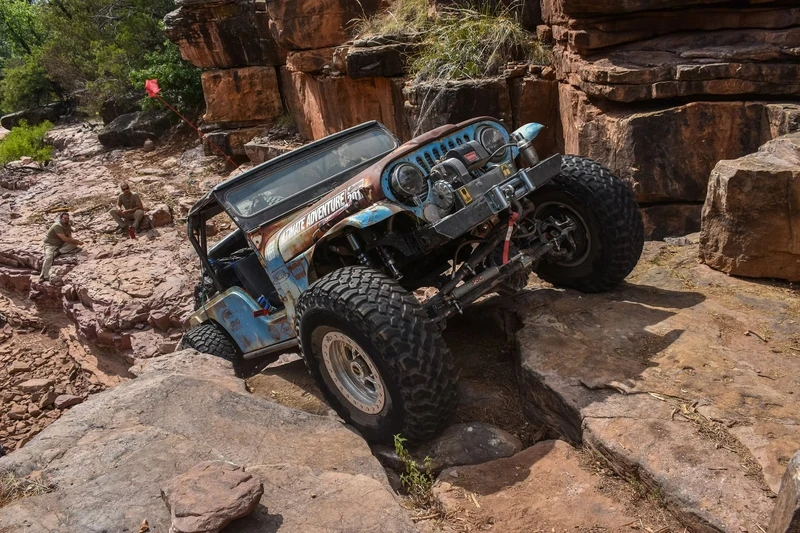
- Recommendation: Dual air lockers (front and rear)
- Why: Instant traction control and durability in punishing conditions
Budget Build
- Recommendation: Electric rear locker
- Why: Good bang-for-buck with easy install
Frequently Asked Questions
Do air lockers require a compressor?
Yes. A dedicated or shared onboard air compressor is needed to activate an air locker.
Are air lockers stronger than electric lockers?
Typically, yes—air lockers are known for their robustness in extreme conditions. However, some electric lockers are also highly durable.
Can I install a locker myself?
If you have mechanical experience and the right tools, yes. But many users opt for professional installation, especially with air systems.
Is it okay to drive with the locker engaged?
Only off-road or in slippery conditions. Driving with a locker engaged on pavement can cause drivetrain damage.
Final Thoughts
So—air locker or electric locker? If you want the most powerful, reliable traction for the harshest conditions, air lockers are king. If you want a simpler, more budget-friendly solution with easier install, electric lockers are hard to beat.
Remember to also consider which axle to lock first, depending on your needs. In most cases, starting with a rear locker makes sense. For more aggressive off-roaders, front or dual lockers may be worth the investment.
Whichever path you choose, adding a locker is one of the smartest upgrades you can make to any 4×4.