When you’re heading off-road, the difference between an epic adventure and a total disaster often comes down to one thing: the gear you packed. It’s not about expensive upgrades or showy builds — it’s about equipment that works when things go sideways. Whether you’re stuck axle-deep in mud or stranded miles from the nearest cell signal, reliable gear is what saves the day. This is your no-nonsense guide to off-roading gear that actually matters.
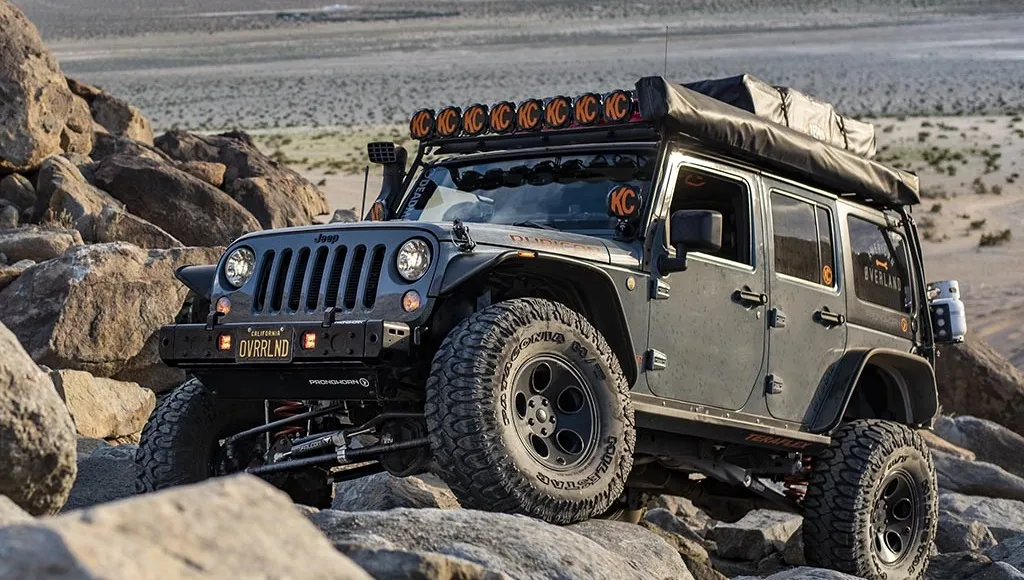
Before You Go: Critical Vehicle Modifications
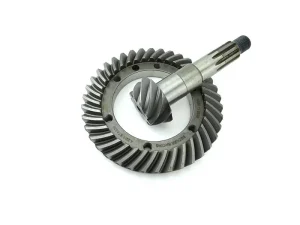
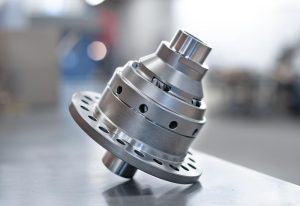
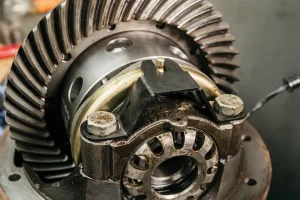
Before you start collecting gear, your vehicle needs to be trail-ready. One of the most overlooked upgrades is the differential. Open diffs are fine for the street, but in off-road situations, they often leave you spinning tires and going nowhere.
Upgrade Your Differentials
- Electronic Lockers (E-lockers): Lock both wheels on an axle together for maximum traction. Ideal for rock crawling and technical trails.
- Limited Slip Differentials (LSDs): Automatically transfer power to the wheel with more grip. Great for general off-roading and light trails.
- Skid Plates: Protect vital components like the oil pan, transmission, and fuel tank.
- Recovery Points: Factory tow hooks aren’t always strong enough. Invest in reinforced front and rear recovery points.
- All-Terrain Tires: If you’re still on stock road tires, replace them before your first trip.
- Battery and Electrical System: Make sure your battery is in good shape, and consider dual battery setups if you’re running a fridge, lights, or other electronics.
- Cooling and Fluids: Check hoses, coolant levels, and flush your radiator if needed. Off-road driving can push your engine harder than usual.
- Lighting: While auxiliary lighting isn’t mandatory, good forward and side lighting helps in night recovery situations.
- Navigation System: Have a dependable GPS or offline mapping system. You should rely on a dedicated GPS device or a system that allows offline maps and waypoint marking. Make sure it’s something you’ve tested before heading out.
- Communication: A GMRS radio or satellite messenger (like a Garmin inReach) could be a lifesaver when cell service is out.
The Most Important Gear — A Recovery Kit
Shovel
Recovery Strap
Soft Shackles
High Lift Jack or Hand Winch
Traction Aids — Helpful, But Not Always Needed
If you do buy traction boards:
- Choose ones made from heavy-duty, UV-stable plastic
- Make sure they’re long enough for your tire size
- Store them where they’re easy to access — not buried under all your gear
Traction aids are useful. But don’t think they’ll replace knowing how to read terrain or drive smart.
Tires Make or Break Your Trip
What to Look for in Off-Road Tires:
- Tread Pattern: All-terrain (A/T) tires offer a balance between on-road comfort and off-road capability. Mud-terrain (M/T) tires are more aggressive but louder and wear faster on pavement.
- Sidewall Strength: Look for reinforced sidewalls to resist punctures on rocks and rough trails.
- Air-Down Capability: Good tires will perform well even when aired down for more traction.
Matching your tires to your terrain and driving style is essential. Don’t skimp here.
Flat Happens — Be Ready
Tire Repair Essentials:
- Plug Kit: Simple, cheap, and incredibly effective for punctures in the tread.
- Valve Core Tool: Useful for deflating tires quickly or replacing damaged valve stems.
- Pressure Gauge: Airing down is critical for traction, but you need to air back up correctly, too.
Airing Down and Back Up
You don’t need a $500 onboard air system. A simple 12v compressor will do the job. Look for one that:
- Connects to your battery terminals for more power
- Has a built-in gauge and deflator
- Can handle your tire size without overheating
If you’re off-roading frequently, consider a more durable compressor. But for weekend warriors, the cheap one gets it done.
Bonus Gear That’s Nice to Have
Headlamp
Gloves
Duct Tape & Zip Ties
Spare Fluids
Basic Tool Kit
Build Smart, Not Expensive
It’s easy to fall into the trap of thinking you need every shiny off-road gadget out there. You don’t. What you really need is gear that works, gear you’ve tested, and gear you know how to use.
Start with recovery. Then build out your kit based on the terrain you drive, how far off-grid you go, and how self-reliant you want to be. Reliability always beats flash.
Stay prepared, stay safe — and enjoy the trail.