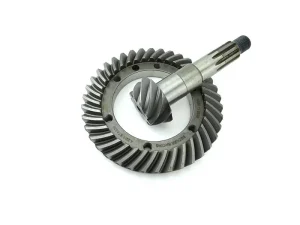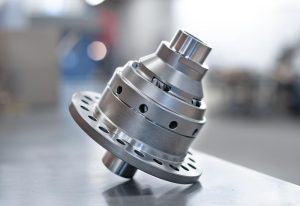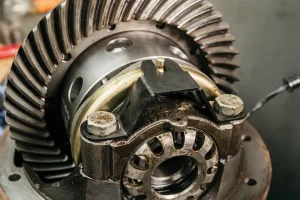
When your car starts making strange noises or loses traction mid-turn, you might immediately suspect the limited-slip differential (LSD) is failing. But here’s something most drivers overlook: the problem often lies in a worn-out pinion gear set inside the LSD, not the entire unit.
Replacing just the pinion gears can save you serious money—if you know how to spot the warning signs early. In this guide, we’ll explain how the pinion gear set works, why it fails, what symptoms to look for, and how to fix it. We’ll also cover whether it’s worth replacing just the gear set or the entire LSD, and what gear sets we recommend.
What Is a Pinion Gear Set in an LSD?
In most mechanical and clutch-type limited-slip differentials, the pinion gear set (also called spider gears or bevel gears) sits inside the carrier housing, meshing with side gears connected to the axles. These small gears allow the wheels to rotate at different speeds while still distributing torque. In high-performance LSDs, they also play a role in torque biasing under load.
They’re under constant pressure—especially during:
- Aggressive cornering
- Drifting
- Hard acceleration
- Off-road conditions
- Sudden weight shifts under braking
Over time, this stress can lead to chipped teeth, pitting, or even complete failure of the gear mesh.
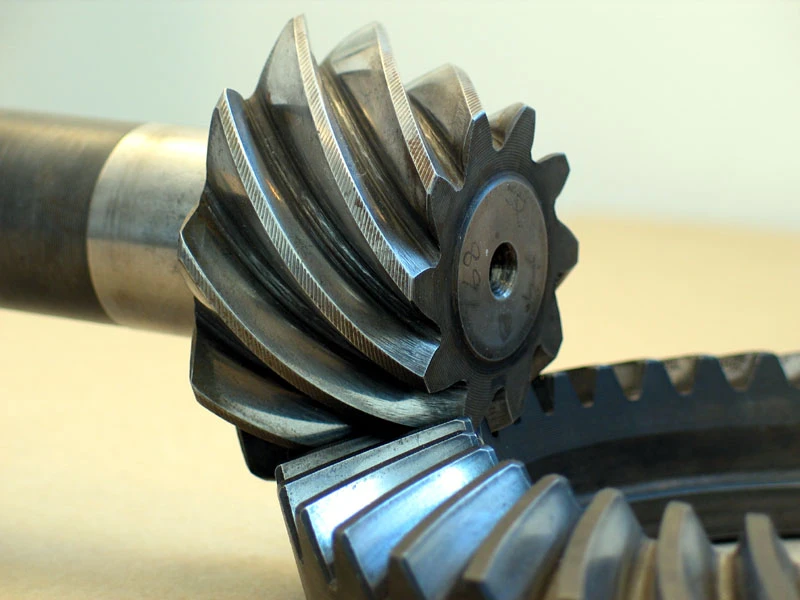
7 Signs Your LSD Pinion Gear Set Might Be Worn Out
Spotting early signs of pinion gear failure can help you avoid full differential damage, costly repairs, or even loss of control on the road or track. Here’s how to know something’s wrong inside your LSD:
1. Grinding or Whining Noise from the Rear
A common red flag. You may notice:
- A high-pitched whine during acceleration or deceleration
- A deep grinding sound when cornering at low speeds
- Noise that gets louder with vehicle speed
These sounds often come from worn or misaligned pinion teeth inside the LSD. The noise might disappear at certain speeds or loads, but that doesn’t mean the problem is gone—it’s often just masked. Ignoring it can lead to chipped teeth or complete gear failure.
Pro tip: If changing the diff oil doesn’t quiet the sound, it’s likely mechanical wear—not just bad fluid.
2. Loss of Traction or “One-Tire Fire” Under Load
Your LSD should send torque to both wheels under load. If you’re:
- Spinning only one wheel during acceleration
- Getting stuck more easily on slippery surfaces
- Experiencing understeer or wheel hop during hard cornering
…it could be that the pinion gears are too worn to maintain torque balance, especially under sudden torque spikes. This makes the LSD behave more like an open diff.
Real-world example: Many drift drivers notice their car suddenly stops locking mid-drift—that’s often a worn gear, not the clutches.
3. Clunking, Popping, or Jerking in Low-Speed Turns
Feel a sudden jerk, clunk, or delay when turning from a stop or maneuvering in tight spaces?
This usually points to:
- Excessive backlash between pinion and side gears
- Loose gear fitment or damaged thrust washers
- Incorrect preload causing unstable gear movement
Over time, this can cause uneven wear on the side gear splines or output shafts. If you’re hearing a “pop” while turning into a driveway or parking, don’t ignore it—it’s often early-stage pinion looseness.
4. Vibration or Shuddering During Acceleration
A worn or unbalanced gear set can cause vibrations that feel like:
- Driveshaft imbalance
- Worn U-joints or CV joints
- Rear axle out-of-alignment
But if you’ve ruled those out, check the LSD. Worn pinion gear teeth may cause non-uniform torque transfer, which feels like surging or shuddering under acceleration.
Common in modified cars: Vehicles with more torque than stock often chew through stock pinion gear sets quickly.
5. Overheating Differential or Burning Smell
Differentials naturally run warm—but if you notice:
- A burning gear oil smell after a drive
- Too-hot-to-touch diff casing after a track session
- Reduced LSD performance when hot
…it might be caused by increased friction inside the gear set—often from poor meshing, lack of lubrication, or excessive load on worn pinions.
Important: Overheating breaks down gear oil faster, causing a vicious cycle of more wear and heat. Always fix the cause, not just change oil.
6. Metal Particles in Gear Oil
During routine maintenance or oil changes, check for:
- Silver flakes floating in drained oil
- A gray sludge at the bottom of the housing
- Magnetic drain plug covered in metallic dust
These are early signs of internal wear. While clutches also shed material, pinion gear wear usually leaves sharper fragments. If flakes return after an oil change, it’s time to open the diff.
Tech tip: Install a magnetic drain plug if you haven’t—it’s a cheap way to monitor gear health.
7. Oil Leaks from the Differential Housing or Axle Seals
Worn gears can cause excess play or imbalance inside the LSD. That internal movement can:
- Stress the differential carrier bearings
- Distort shaft alignment
- Lead to premature seal failure and fluid leaks
Leaking oil is both a symptom and a cause—low fluid levels accelerate gear damage, and gear damage worsens leaks.
Watch out for: Oil spots under your rear axle after parking, or a “wet” look around axle seals.
Final Thoughts
Pinion gear sets may be small, but they have a big impact on how your limited-slip differential performs. If you’re noticing unusual noises, reduced traction, or signs of wear, don’t wait—a worn pinion gear set can lead to serious differential damage if left unchecked.
Replacing the pinion gear set in time can help you:
- Restore proper traction and handling
- Avoid costly LSD replacements
- Extend the lifespan of your drivetrain
Improve performance in both daily and high-load driving
At XJX Parts, we offer a wide range of LSD pinion gear sets tailored by vehicle model, usage type, and budget. You can browse and order directly on our website with confidence.
Categories
Got questions or not sure which part fits your car? Reach out to the XJX Parts team—we’re here to help. Our experts are ready to recommend the right parts for your build and provide the quality service you can rely on.