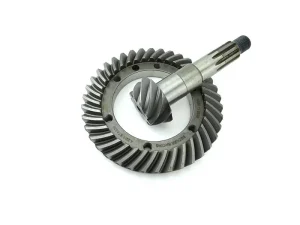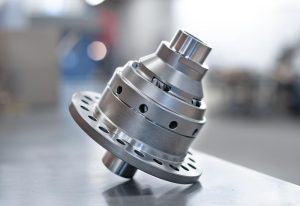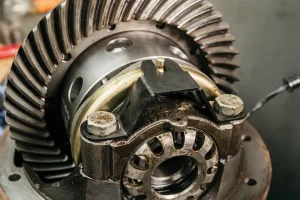
When you’re shopping for a truck, SUV, or performance car—or upgrading one—the choice between a locking differential vs limited slip can make a major difference in how your vehicle handles traction and terrain.
Whether you’re heading into the Australian bush, taking snowy backroads in Canada, or navigating muddy job sites in Texas, choosing the right differential affects everything from safety to capability. This guide breaks down both systems in practical terms—what they do, how they work, and which one’s best for your use case.
What Is a Differential?
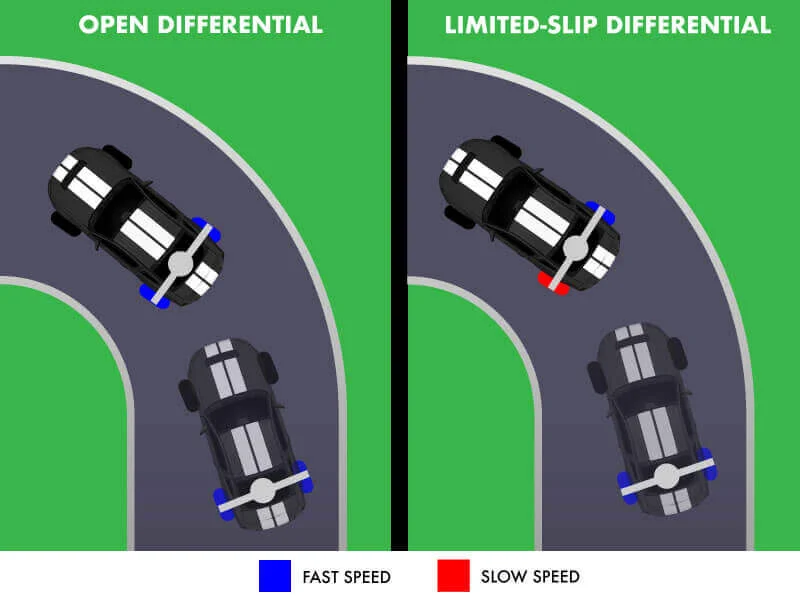
In simple terms, a differential allows your vehicle’s drive wheels to rotate at different speeds. That’s essential when cornering—your inside wheel travels a shorter path than your outside wheel, so it needs to turn slower.
But here’s the problem: in low-traction situations (mud, ice, sand, uneven terrain), a standard “open differential” sends power to the wheel that spins the easiest—which is usually the one with no grip.
That’s where limited slip and locking differentials come into play.
Limited Slip Differential (LSD): Better Street & Mild Off-Road
A Limited Slip Differential is designed to strike a balance between comfort, safety, and performance. It allows some difference in wheel speed (like an open diff) but limits how much difference there can be. When one wheel starts to slip, it automatically transfers torque to the wheel with more traction.
There are multiple types of LSDs, each with different mechanics:
Types of Limited Slip Differentials
- Clutch-based LSD: Uses friction plates to control torque transfer. Common in performance cars and older 4x4s. Over time, clutches can wear out and require maintenance.
- Torsen (gear-based LSD): Uses helical gears to pass torque between wheels without needing clutches. These are low-maintenance and found in some factory trucks and sports cars.
- Viscous LSD: Uses thick fluid between plates. It’s smooth but slower to react and generally less effective under extreme conditions.
Pros of LSDs
- Improved on-road traction: LSDs reduce wheel spin during acceleration, especially in rain or snow.
- No driver input needed: It engages and adjusts torque automatically, requiring no buttons or switches.
- Smoother driving experience: You won’t notice it’s working most of the time.
- Versatile: Works well in daily driving, towing, and occasional off-roading.
Cons of LSDs
- Limited off-road performance: LSDs can’t fully lock both wheels together. In deep mud, snow, or when a wheel is airborne, they may still allow wheel spin.
- Wear and tear: Clutch-based LSDs lose effectiveness over time.
- Delayed response: Some viscous LSDs react slower than ideal in fast-changing traction conditions.
Best For:
- Daily drivers and weekend warriors: Great for people who want enhanced control without sacrificing comfort.
- Sports cars and utes: LSDs are popular in performance vehicles to improve cornering grip.
- Mild off-roaders: Ideal if your off-roading includes fire trails, gravel roads, or light snow—but not hardcore crawling.
If you want better-than-stock traction without compromising daily comfort, a limited slip is a smart upgrade.
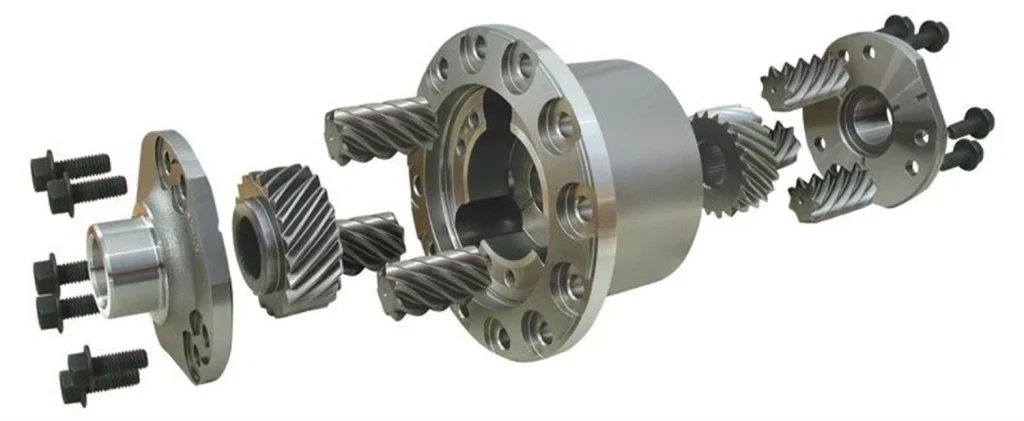
Locking Differential: Maximum Off-Road Traction
A Locking Differential, or “locker,” is built for the toughest traction challenges. When locked, both wheels on the axle rotate at the exact same speed—regardless of traction conditions. That means if one wheel is off the ground, the other still gets 100% of the torque.
Lockers can be:
- Manual/selectable: You choose when to lock the diff (via switch or lever). Found in many 4x4s like Jeep Wrangler Rubicons or Toyota LandCruisers.
- Automatic: Lock engages when certain conditions are met (like when one wheel spins). Examples include Detroit Lockers or Gov-Lock systems.
- Air/electric lockers: Common in aftermarket builds; these are selectable and offer maximum control.
Pros of Lockers
- Unbeatable traction: In mud, sand, rocks, snow, or steep hills, lockers keep you moving.
- Driver control (in selectable lockers): You decide exactly when to engage for maximum torque.
- Durability: Built for abuse—perfect for off-road rigs, utility trucks, or expedition vehicles.
Cons of Lockers
- On-road handling issues: A locked differential makes turning awkward—since both wheels turn the same speed, they can “bind” during cornering.
- More expensive: Lockers cost more to install and maintain, especially aftermarket versions.
- Potential for tire/drivetrain wear: When used improperly on dry pavement, lockers can damage tires or cause premature component wear.
Best For:
- Serious off-roaders: If you’re rock crawling, mud bogging, or crossing uneven terrain with limited grip, lockers are essential.
- Overlanders and expedition vehicles: For remote, unpredictable terrain, a locker ensures you can keep going when LSDs would spin out.
- Work vehicles: In mining, forestry, or farm environments, lockers provide dependable traction in tough conditions.
A locking diff gives you full power to both wheels, every time. It’s the most aggressive traction tool you can have—but it comes with trade-offs in cost and comfort.
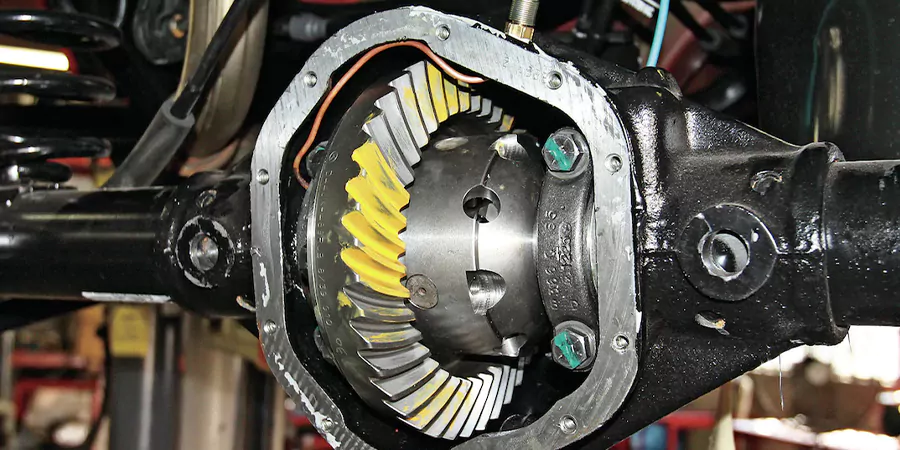
Key Differences: Limited Slip vs Locker
| Feature | Limited Slip Differential | Locking Differential |
|---|---|---|
| Engagement | Automatic | Manual or automatic |
| Daily drivability | Smooth and quiet | Can be rough or noisy when engaged |
| Off-road capability | Moderate | High |
| Best for | Mixed driving, performance, snow/ice | Off-road, overland, tough job sites |
| Cost | Lower | Higher |
| Maintenance | Occasional clutch wear | Higher for complex systems |
Which One Is Right for You?
Choosing between locking differential vs limited slip depends entirely on how and where you drive:
- City driving with winter snow or rain? Go for an LSD for better grip and comfort.
- Backwoods trail runs, sand dunes, or rocky climbs? Choose a locking diff—you’ll need the control.
- Towing or heavy payloads in mixed terrain? A limited slip can help, but adding a rear locker gives you serious pulling power.
- Want both? Some high-end 4x4s come with LSD in the front and a locker in the rear. It’s the best of both worlds.
Final Thoughts: Locking Differential vs Limited Slip
Both systems have their place. A limited slip differential improves road safety and light off-road capability without complicating the driving experience. A locking differential is your best bet for serious traction when conditions turn nasty.
So, what’s better—limited slip or locker? The real answer is: it depends on your terrain, use case, and budget.
If you need peace of mind in unpredictable conditions, invest in the setup that matches your environment. Whether you’re planning your next overland build, customizing your 4×4, or just trying to get unstuck from the driveway in winter, picking the right differential is a decision you won’t regret.