When it comes to enhancing your vehicle’s traction and off-road capabilities, choosing the right type of differential is crucial. Two of the most popular options are the locking differential and the limited slip differential. Each offers unique benefits and operates differently depending on the driving conditions. Understanding these differences can help you make an informed decision for your vehicle.
Understanding Differentials
A differential is an essential component in your vehicle’s drivetrain. Its primary function is to allow the wheels to rotate at different speeds, especially when turning. Without a differential, your tires would skid or hop during turns, causing excessive wear and poor handling. However, when traction is compromised, such as on loose gravel, snow, mud, or uneven terrain, a standard open differential can become a liability. This is where locking and limited slip differentials come into play.
What Is a Locking Differential?
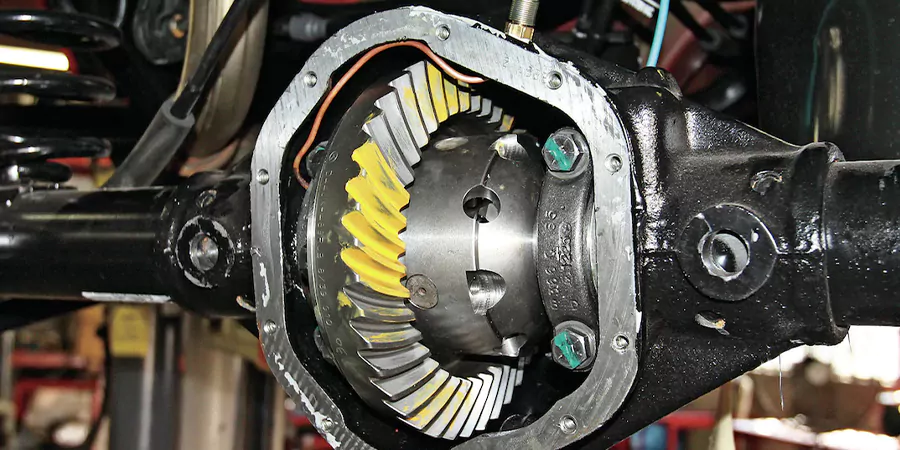
A locking differential, often referred to simply as a “locker,” can completely lock both wheels on an axle together. This means both wheels rotate at the same speed, regardless of traction differences. Locking differentials are highly valued in off-road driving, rock crawling, and situations where maximum traction is required.
There are various types of locking differentials:- Automatic Lockers: Engage automatically when a traction difference is detected.
- Selectable Lockers: Allow the driver to manually engage or disengage the locker, usually via an electronic switch, cable, or air system.
Advantages of Locking Differentials:
- Maximum Traction: Both wheels receive equal power, even if one is airborne or has no traction.
- Ideal for Off-Road: Perfect for extreme off-road environments where uneven terrain is common.
- Simplicity: Especially true for automatic lockers, which engage without driver input.
Disadvantages of Locking Differentials:
- Difficult Handling on Pavement: When locked on high-traction surfaces, they can cause tire chirping, hopping, or increased tire wear.
- Stress on Drivetrain Components: The lack of differentiation puts more stress on axles, gears, and other components.
What Is a Limited Slip Differential?
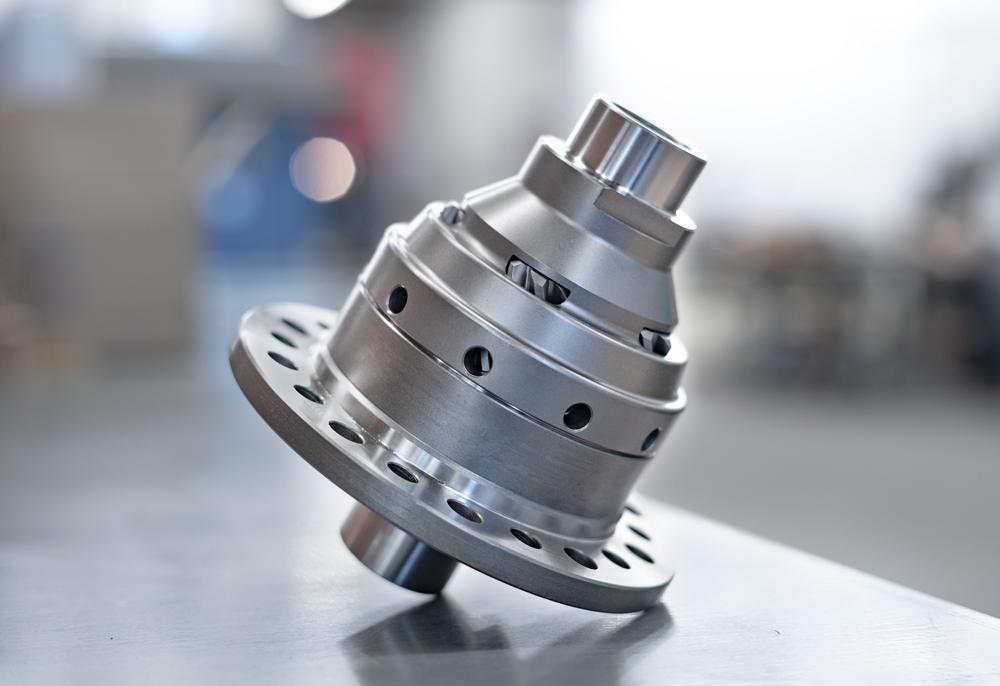
A limited slip differential (LSD) allows for some difference in wheel speed but limits how much slip can occur. This system uses clutches, gears, or viscous fluids to transfer torque to the wheel with more traction. LSDs are widely used in both performance vehicles and light off-road applications.
There are several types of limited slip differentials:- Clutch-Type LSD: Uses friction plates and clutch packs to regulate wheel speed differences.
- Torsen (Torque Sensing) LSD: Uses helical gears to automatically balance torque.
- Viscous LSD: Uses a thick fluid that resists shear to distribute torque.
Advantages of Limited Slip Differentials:
- Smooth Operation: Offers better handling and traction on both dry and slippery surfaces.
- Versatile: Performs well in daily driving and moderate off-road conditions.
- Better Tire Wear: Less tire scrubbing compared to lockers.
Disadvantages of Limited Slip Differentials:
- Limited Extreme Off-Road Capability: May struggle in situations where one wheel has no traction.
- Clutch Wear: Clutch-based LSDs can wear over time, requiring maintenance or replacement.
Key Differences Between Locking and Limited Slip Differentials
| Feature | Locking Differential | Limited Slip Differential |
|---|---|---|
|
Traction |
Maximum |
Moderate to High |
|
Handling on Pavement |
Poor when engaged |
Smooth |
|
Maintenance |
Generally lower |
Can be higher (depending on type) |
|
Complexity |
Simple (automatic); More complex (selectable) |
Varies by type |
|
Use Case |
Extreme off-road |
Mixed-use (street and light off-road) |
When Should You Choose a Locking Differential?
Locking differentials shine in extreme off-road conditions where one or more wheels may be completely off the ground. For rock crawling, deep mud, or severe inclines, lockers provide the confidence that power is equally distributed, regardless of traction loss.
Vehicles that often benefit from lockers include:- Rock crawlers
- Overlanding rigs
- Heavy-duty work trucks
- Off-road racing vehicles
When Should You Choose a Limited Slip Differential?
Limited slip differentials are an excellent choice for drivers who need improved traction but still prioritize smooth on-road performance. They excel in situations where wheels experience brief or moderate traction loss, such as:
- Snow and ice driving
- Rain-slicked roads
- Light off-road trails
- High-performance street driving
The Importance of Your Driving Environment
Your choice between a locking differential and a limited slip differential largely depends on where and how you drive. Off-road enthusiasts often find lockers indispensable for conquering challenging terrain, while limited slip differentials provide a more versatile solution for mixed-use driving.
For example, if you frequently drive on snowy roads in a mountainous region but rarely venture off-road, a limited slip differential may serve you better. Conversely, if you enjoy weekend rock crawling adventures, a selectable locking differential could be a game-changer.
Can You Combine Locking and Limited Slip Differentials?
Some vehicles are equipped with both systems, utilizing a limited slip differential in the front or center differential and a locking differential in the rear. This combination maximizes traction while maintaining better on-road manners. High-performance off-road vehicles and certain all-wheel-drive systems leverage this setup for optimal traction in varied conditions.
Durability and Longevity Considerations
Both locking and limited slip differentials have unique durability aspects. Lockers, especially automatic types, are generally robust but can put significant strain on axles and other drivetrain parts when used aggressively. Selectable lockers allow you to engage them only when needed, preserving component life.
Limited slip differentials, particularly clutch-based versions, may require periodic maintenance as the clutch packs wear. Torsen and viscous types are often more maintenance-free but come with their own limitations under certain extreme conditions.
Aftermarket Upgrades and Customization
The aftermarket offers a wide range of options for both locking and limited slip differentials. Enthusiasts can choose from air lockers, electric lockers, helical gear LSDs, and more, depending on their needs and budget. Properly selecting and installing the right differential upgrade can dramatically improve your vehicle’s capabilities and driving experience.
Conclusion
Choosing between a locking differential and a limited slip differential depends on understanding your driving needs, terrain challenges, and performance expectations. Locking differentials deliver uncompromised traction in the harshest off-road conditions, while limited slip differentials provide a balanced solution for everyday driving and moderate off-road use.
Whether you’re building a dedicated off-road machine or enhancing your daily driver for occasional adventure, selecting the appropriate differential can make a significant difference in your vehicle’s performance and safety.