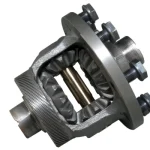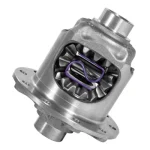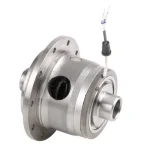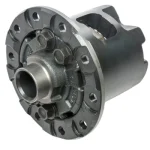
What to Look for When Buying a Differential Online

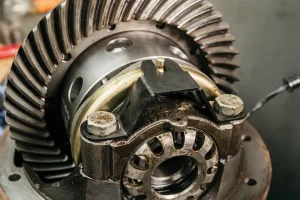
A differential is a crucial component in your vehicle’s drivetrain, responsible for distributing power to the wheels and allowing them to rotate at different speeds. This is essential when turning corners, as the outer wheels need to travel further than the inner wheels. Differentials are key to a smooth driving experience, whether on highways, off-roads, or during high-performance driving.

Many car enthusiasts and everyday drivers are now opting to buy their differentials online. The reasons are simple: convenience, a wide range of options, and competitive prices. However, choosing the right differential can be overwhelming, especially with so many options available. This guide will help you make an informed decision, avoid scams, and ensure that the differential you select is compatible with your vehicle.
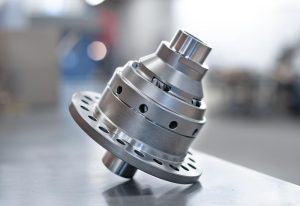
How to choose the differential online (1)

Know What Type of Differential You Need

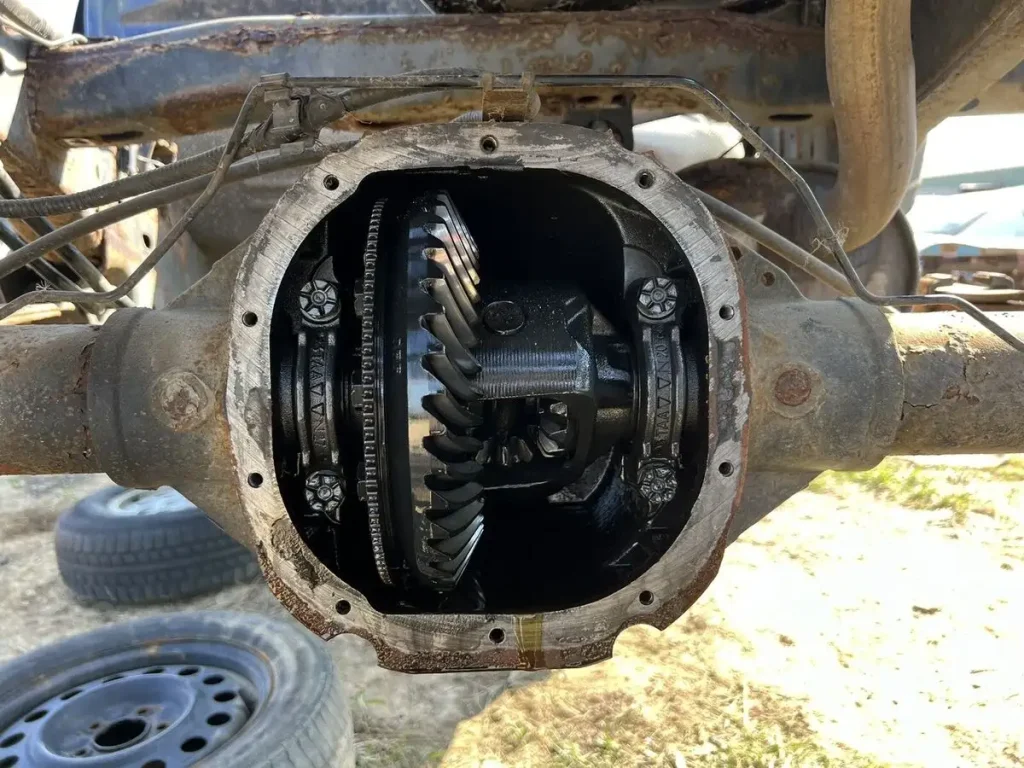
Before purchasing a differential, it’s crucial to understand which type is best suited for your vehicle. Differentials vary in design and functionality, and choosing the right one will directly affect your driving experience. Below is a breakdown of the main types of differentials and the types of vehicles that commonly use them:

1. Open Differential

The open differential is the most common type, found in nearly every vehicle straight from the factory. It allows the wheels to rotate at different speeds, which is essential for smooth turning. This type of differential is ideal for vehicles that are primarily used for daily driving, where traction is generally consistent.
Commonly found in: Standard passenger cars, sedans, and light trucks.
Not ideal for: High-performance driving, off-roading, or slippery conditions, as it does not limit wheel spin when one wheel loses traction.

2. Limited Slip Differential (LSD)

The Limited Slip Differential (LSD) is an upgraded version of the open differential. It helps distribute torque more evenly between the wheels, preventing one wheel from spinning excessively when traction is low. This type of differential is excellent for vehicles that need extra grip, such as those used in performance driving, off-roading, or for driving in adverse weather conditions.

What is a limited slip differential (LSD)?

An LSD uses mechanisms like clutches or a viscous coupling to limit the difference in speed between the two wheels on the same axle. This provides better traction, especially when one wheel is losing grip. It’s ideal for sports cars, SUVs, off-road vehicles, or pickup trucks that are often driven on rough or slippery surfaces.
Commonly found in: Performance cars, off-roaders, sport SUVs, and trucks that require enhanced traction in low-grip conditions.

3. Locking Differential

A locking differential is designed for extreme traction needs. It locks the two wheels on the same axle, forcing them to rotate at the same speed regardless of the conditions. This is particularly useful in off-road environments or when driving in situations with minimal traction, such as deep mud, snow, or gravel.
Commonly found in: Off-road vehicles, 4×4 trucks, and SUVs with off-road packages. It is also found in some heavy-duty trucks and pickups that are built to handle challenging terrains.

4. Torque Vectoring Differential

The torque vectoring differential is the most advanced type of differential and is typically found in high-performance and luxury vehicles. It adjusts the distribution of power between the wheels dynamically, providing maximum stability, handling, and traction, particularly during cornering. This type of differential is ideal for sports cars or vehicles driven in challenging conditions where optimal control is a priority.
Commonly found in: Sports cars, luxury vehicles, and high-performance SUVs. It’s perfect for those who demand exceptional handling and traction, especially when cornering at high speeds or navigating slippery surfaces.

Confirm Compatibility with Your Vehicle: Ensuring a Perfect Fit

After narrowing down the type of differential that suits your needs, the next—and arguably most critical—step is confirming that the differential is actually compatible with your vehicle. Choosing the wrong differential can lead to installation issues, reduced performance, or even mechanical damage. Here’s how to ensure you get the right fit:

How to Check Compatibility

1. Owner’s Manual

Start with the basics. Your vehicle’s owner’s manual typically lists the differential specifications, including gear ratios, axle type, and other vital details.

2. VIN (Vehicle Identification Number)

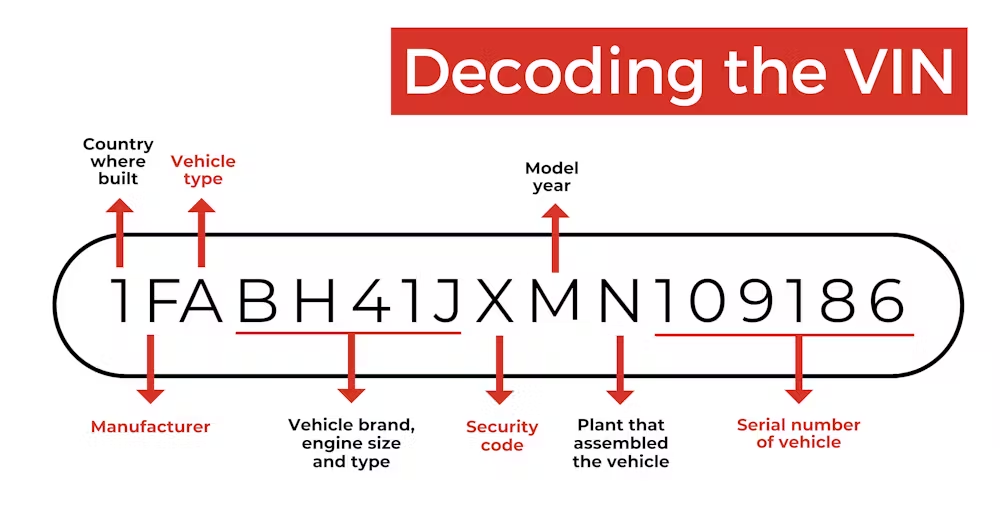
Your VIN is a 17-character code that contains detailed information about your vehicle’s make, model, year, engine, drivetrain, and more. Many online auto parts stores and manufacturer databases allow you to enter your VIN to identify exactly which differential is required.
Where to find your VIN:
  • On the dashboard, visible through the windshield (driver’s side)
  • Inside the driver-side door frame
  • On your vehicle registration or insurance documents
3. Axle Code

Some manufacturers also assign axle codes, typically found on a tag or sticker on the axle housing or inside the glovebox. This code can be decoded to identify the factory-installed differential type and gear ratio.

Considering Upgrades: Factory Spec vs Modified

It’s worth noting that you’re not limited to the differential type originally installed in your vehicle. Many drivers choose to upgrade or modify their differential for better performance, off-road capability, or handling.

For example:
  • A sedan with an open diff may be upgraded to a limited slip differential (LSD) for improved traction.
  • Pickup trucks used for heavy towing or off-roading may benefit from a locking differential.
  • Enthusiasts may install a torque vectoring differential in performance builds for better cornering and power delivery.
However, when modifying from stock specifications, make sure other components—like axles, housings, and gear ratios—are also compatible or upgraded accordingly. Consulting with a mechanic or differential specialist is highly recommended for non-OEM swaps.

Front, Rear, or Center? Know the Location

Understanding which differential you’re replacing is just as important as knowing what type you need. Vehicles can have differentials in different locations depending on their drivetrain layout:
  • Front Differential: Found in front-wheel-drive (FWD) or all-wheel-drive (AWD) vehicles. Transfers power to the front wheels.
  • Rear Differential: Found in rear-wheel-drive (RWD), 4WD, and AWD vehicles. Most common location for trucks and SUVs.
  • Center Differential: Found in AWD systems. Balances power between the front and rear axles to optimize traction.
Each differential plays a unique role in power distribution, and they’re not interchangeable. Always verify which differential you’re replacing before buying a new one.

In short, confirming compatibility involves a combination of checking your vehicle’s documentation, identifying your drivetrain layout, and considering whether you’re sticking with factory specs or upgrading. Taking these steps ensures you choose a differential that fits perfectly and performs reliably for your specific driving needs.

Evaluate Brands and Quality: The Importance of Trustworthy Options

When buying a differential online, brand reputation matters. A high-quality differential isn’t just about performance—it’s also about safety, reliability, and lifespan. Choosing the right brand ensures you won’t be replacing it again anytime soon.

OEM vs Aftermarket

OEM (Original Equipment Manufacturer) differentials are built to match factory specifications and offer dependable performance. They’re a safe choice for standard replacements, especially if you’re not looking to upgrade or modify your vehicle’s performance.

On the other hand, aftermarket brands often offer more variety and, in many cases, better performance or durability than OEM parts. They’re especially popular among off-roaders, racers, and enthusiasts looking to enhance their driving experience.

Recommended Aftermarket Brands

Here are some trusted names in the differential market:
  • Eaton – Known for locking and limited slip differentials, widely used in trucks and off-road vehicles.
  • Yukon Gear & Axle – Offers a wide range of performance differentials and gear sets, ideal for off-roading and racing.
  • Detroit Locker – Specializes in heavy-duty locking differentials, popular among 4×4 and off-road enthusiasts.
  • Auburn Gear – Offers LSD and other traction-enhancing solutions for muscle cars and performance applications.
  • XJX Parts – A rising brand known for its excellent quality, complete product range, and reliable customer service. XJX Parts products are designed to match or even exceed the performance of many legacy brands. Whether you’re driving a daily commuter, SUV, pickup, or performance car, XJX offers a solution tailored to your needs. Got questions? Their support team is always ready to help.

What to Avoid

Avoid cheap, unbranded or generic differentials from unknown sellers. These may save you money upfront but can lead to premature wear, poor fitment, or even damage to your drivetrain.

Material & Build Quality

Make sure the differential is made from high-grade materials like forged steel, not cheap castings. Precision engineering and high heat treatment standards are key indicators of long-lasting performance.

Conclusion: Do Your Research and Buy with Confidence

Buying a differential online is a convenient way to find the right part for your vehicle, but it requires some careful consideration. By understanding the type of differential you need, confirming compatibility, choosing trusted brands, and ensuring adequate installation support, you can make the right choice with confidence.

For those looking for the best differential for their specific vehicle, take the time to explore different options and always buy from reputable sellers.

Also, be sure to check out more of our automotive parts guides to get the best tips for maintaining and upgrading your vehicle.
Related Articles

Shopping Cart
Scroll to Top