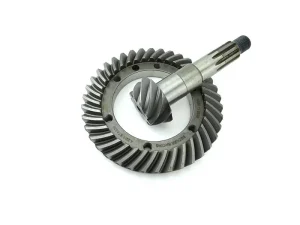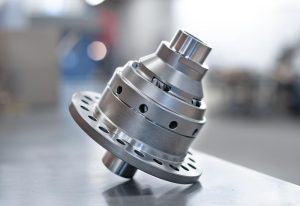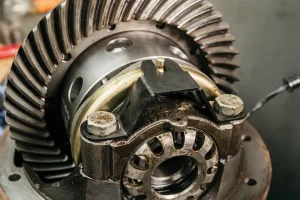
The differential is an essential component in any vehicle. It ensures smoother and more stable cornering by efficiently distributing power to the wheels. Just as important is differential oil, which plays a critical role in keeping the differential running smoothly. Neglecting regular maintenance can lead to excessive wear—and in severe cases, serious mechanical failure.
What Can Differential Fluid Do?
Lubrication
Cooling
Contamination Control
Corrosion Protection
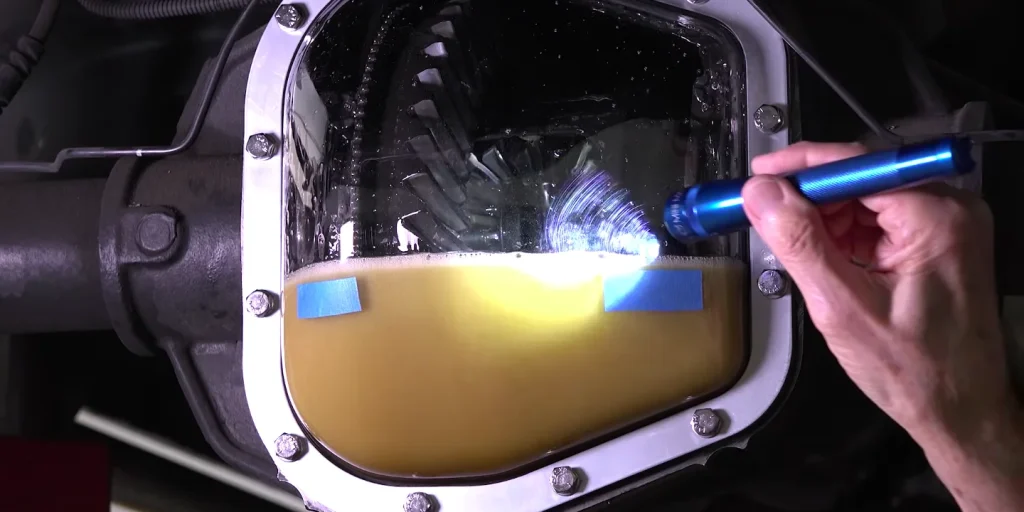
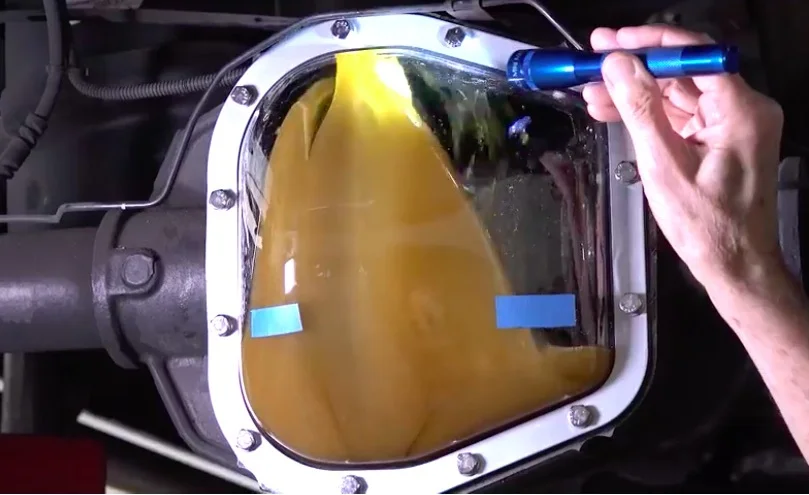
Risks of Failing to Change Differential Fluid
Accelerated Component Wear
Overheating
Unusual Noises
Loss of Traction in Limited-Slip Differentials (LSD)
Metal Contamination
Costly Repairs
If the fluid is not replaced in time, the resulting damage may necessitate a full differential rebuild or replacement—both of which can be expensive.
How Often Should Differential Fluid be Changed?
General Recommendations
- Conventional Driving: For most vehicles under standard use (daily driving, minimal towing), differential fluid should be changed every 30,000 to 60,000 miles.
- Heavy-Duty Use: If you tow, haul heavy loads, drive off-road, or live in extreme climates, you may need to replace the fluid as often as every 15,000 to 30,000 miles.
- Performance Vehicles or LSD: Vehicles equipped with limited-slip differentials or high-performance setups often have more demanding requirements. Use fluids specifically formulated for LSDs and monitor their condition closely.
Follow Manufacturer Guidelines
Check Based on Symptoms
Even if you haven’t reached the mileage threshold, it’s wise to inspect the fluid if you notice any of the following:
- Unusual noises from the rear/front end
- Vibration during acceleration
- Reduced handling performance
- Evidence of leaks from the differential housing
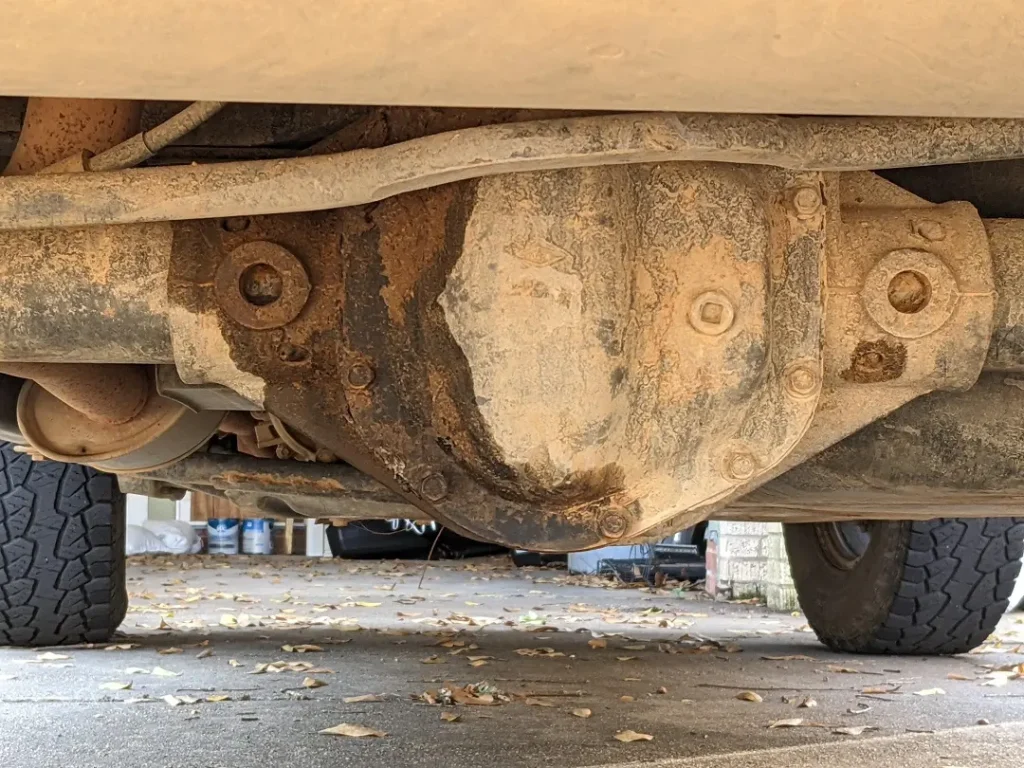
How to Check and Change Differential Fluid
Tools & Supplies
- Socket wrench or ratchet (size depends on your vehicle’s fill and drain plugs)
- Clean rags or shop towels
- Flashlight
- Jack and jack stands or vehicle ramps (if needed)
- Gloves
- Drain pan
- New differential fluid (as specified by your vehicle manufacturer)
- Hand pump (for filling new fluid)
- Gasket scraper or wire brush (if removing the differential cover)
- RTV sealant or replacement gasket (if needed)
Safety First
- Park on a flat surface and engage the parking brake.
- Raise the vehicle securely using ramps or jack stands if access is limited.
- Ensure the vehicle and components are cool to the touch.
Locate the Differential
The differential will typically be found between the drive wheels:
- Rear-wheel drive: rear axle housing
- Front-wheel drive with independent rear suspension: small rear differential near the center
- All-wheel drive or 4WD: both front and rear differentials
Find and Remove the Fill Plug
- Locate the fill plug, usually halfway up the housing. Remove it first to ensure it’s not seized (if you can’t open the fill plug after draining, you can’t refill).
- Set the plug aside in a clean place.
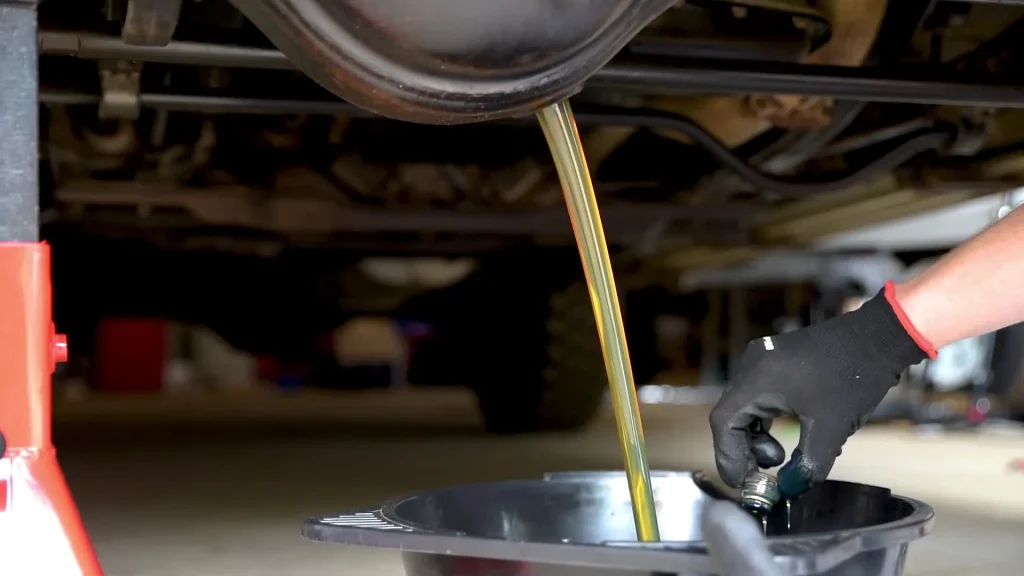
Drain the Old Fluid
- Position a drain pan beneath the differential.
- Remove the drain plug or differential cover, depending on design.
- Allow all old fluid to drain completely. Clean off any metal shavings from the drain plug magnet.
Clean and Reseal
- If you removed the differential cover, scrape off the old gasket material and clean the sealing surface.
- Apply a new gasket or RTV sealant as recommended.
Refill with New Fluid
- Using a hand pump, fill new differential fluid through the fill hole until it starts to seep out—this indicates it’s full.
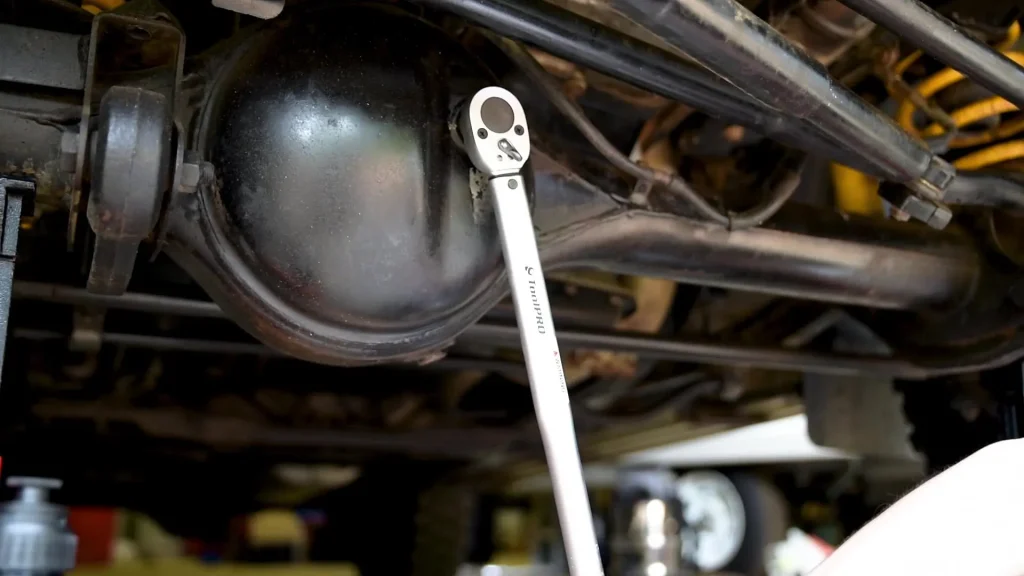
- Reinstall and tighten the fill plug securely.
Final Check
- Wipe off any spills.
- Lower the vehicle.
- Test drive to warm up the fluid, then recheck for leaks.
Performing both a fluid check and change periodically is a small investment that can prevent major drivetrain issues and preserve your vehicle’s performance.
Choosing the Right Differential Fluid
Types of Fluid
- Conventional Gear Oil: Usually used in older or basic vehicles. More frequent changes may be necessary.
- Synthetic Gear Oil: Offers better protection in high and low temperatures and extends service intervals.
Viscosity Grades
- 75W-90: Most common grade, balances performance and efficiency.
- 80W-90: Slightly thicker; useful in warmer climates or heavy-duty applications.
API Classification
Ensure the fluid meets API GL-5 standards, suitable for hypoid differentials that operate under high-pressure sliding conditions.
Quick Tips & Final Thoughts
- Don’t ignore leaks: Any fluid on your driveway may be a sign of a leaking differential.
- Change both front and rear fluids in AWD/4WD vehicles.
- Use high-quality gaskets or RTV sealant when resealing the differential cover.
- Never mix fluid types—stick with one brand and specification unless flushing the system.